Didn’t Have vs Didn’t Had: Which One Is Correct in English?

When learning English grammar, many students get confused about if to say “didn’t have” or “didn’t had.” The correct form ...
Read more
Gauge vs Gage: Meaning, Spelling, Differences, and Examples

Have you ever wondered iffy to write gauge or gage? Both spellings are correct, and they can refer to the ...
Read more
Concrete Nouns: Meaning, Definition, Examples, and How to

Concrete nouns are words that name people, places, animals, or things you can experience through your five senses: sight, hearing, ...
Read more
Rend vs. Rent: What’s the Difference? Meaning, Usage, and

The English words “rend” and “rent” look similar, but they have very different meanings. Rend means to tear something apart ...
Read more
Canary in a Coal Mine Meaning: Definition, Origin, and Examples

The phrase “canary in a coal mine” refers to a person, event, or situation that gives an early warning of ...
Read more
Does “Sure Thing” Mean “You’re Welcome”? Meaning, Examples,
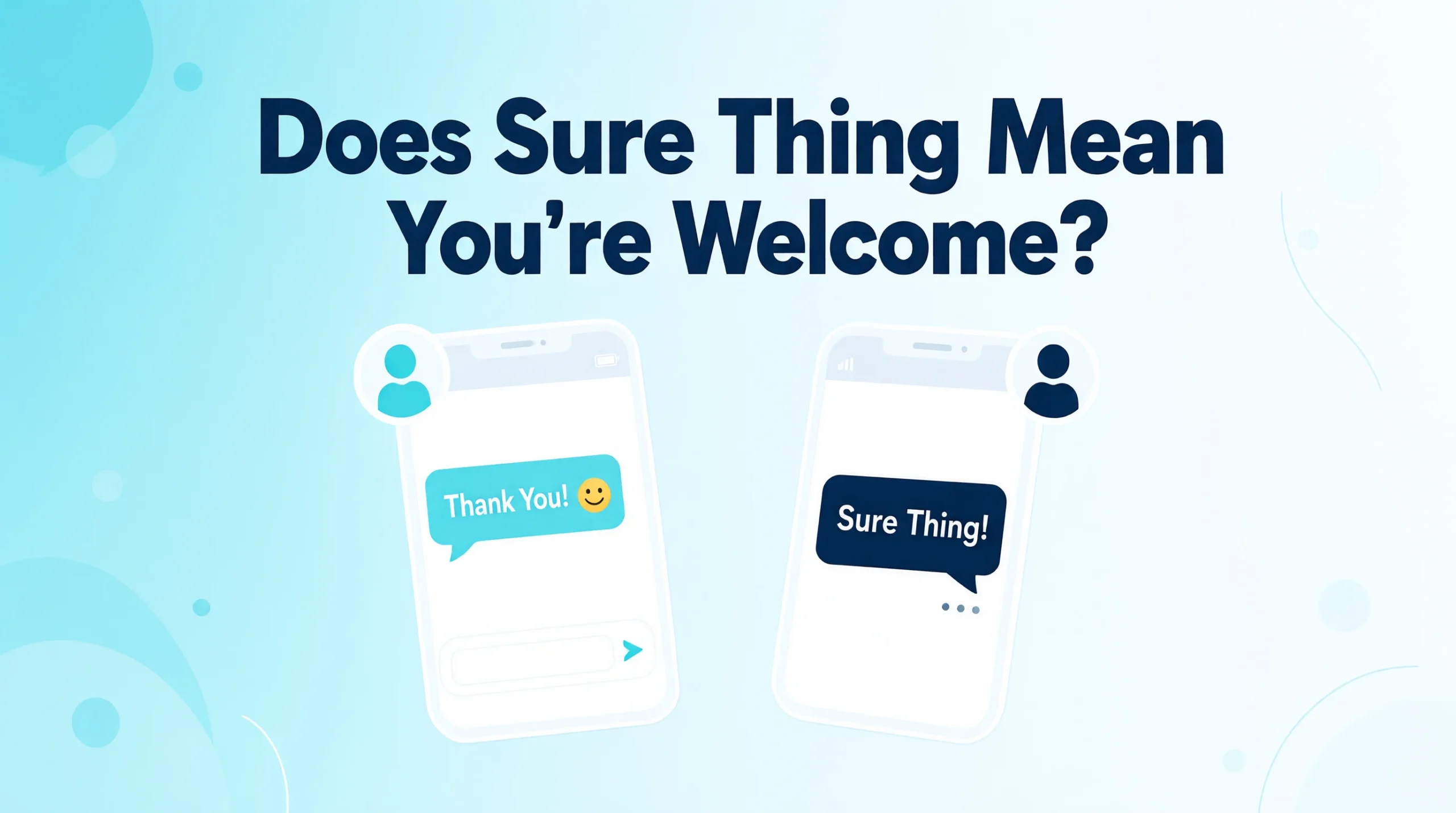
When someone says “thank you,” you might hear the reply “sure thing.” But does “sure thing” mean “you’re welcome”? Yes, ...
Read more
Your vs You’re: What’s the Difference? Meaning, Rules, and

Have you ever wondered if to write your or you’re in a sentence? These two words sound exactly the same, ...
Read more
🥪 Sandwich Emoji: Meaning, Uses, Examples, and Fun

The sandwich emoji 🥪 represents a sandwich, food, lunch, snacks, and everyday eating moments. People use it in text messages, ...
Read more
Saint Patrick’s Day Emojis 🍀: Meanings, Copy-and-Paste

Saint Patrick’s Day emojis make it easy to add Irish charm, festive colors, and playful energy to your messages, captions, ...
Read more
Safe Emoji: 🛡️ Meaning, Uses, Combinations, and Examples

The safe emoji is a symbol people use to express safety, protection, security, trust, and feeling out of danger. Popular ...
Read more