The Russian flag emoji 🇷🇺 represents Russia, its national flag, and Russian identity. It features three horizontal stripes: white at the top, blue in the middle, and red at the bottom. People use this emoji in social media bios, WhatsApp messages, Instagram captions, travel posts, sports discussions, and conversations about Russian culture. It is also a convenient way to indicate Russian language content or a connection to Russia.
If you want to copy and paste the Russian flag emoji, understand its colors, or learn how to use it correctly, this guide covers its meaning, appearance, history, examples, and common uses.
Quick Answer: What Does the Russian Flag Emoji 🇷🇺 Mean?
The Russian flag emoji 🇷🇺 represents the national flag of Russia. It consists of three horizontal stripes in white, blue, and red, arranged from top to bottom.
- Emoji: 🇷🇺
- Official country name: Russian Federation
- Common name: Russian flag emoji
- Emoji components: Regional indicator letters R and U
- Main uses: Russia, Russian culture, travel, language, sports, and national identity
- Copy and paste: 🇷🇺
The emoji is a digital representation of Russia’s national flag. Its meaning depends on context, so it can identify a country without necessarily expressing political support or a personal nationality.
Copy and Paste the Russian Flag Emoji 🇷🇺
You can copy the Russian flag emoji below and paste it into most modern messaging apps, social networks, and text editors.
🇷🇺
Russian Flag Emoji
Copy Russian Flag Emoji
Here are some ready-to-use examples:
- Russia 🇷🇺
- Hello from Russia! 🇷🇺
- Russian language 🇷🇺
- Exploring Russian culture 🇷🇺
- Supporting my team 🇷🇺
- Russian travel memories ✈️🇷🇺
- Moscow, Russia 📍🇷🇺
The emoji may look slightly different on an iPhone, Android phone, Windows computer, or website. However, it represents the same country.
What Does the Russian Flag Emoji Look Like?
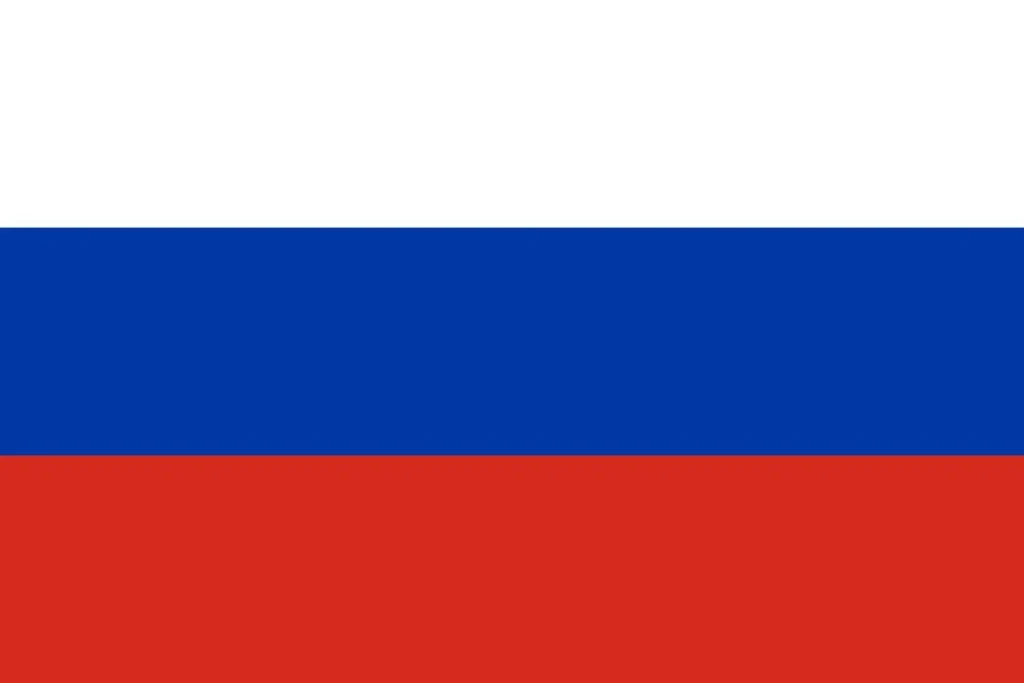
The Russian national flag has three equal horizontal stripes.
The Russian flag emoji is based on the national flag of the Russian Federation. It contains three equal horizontal bands arranged in a specific order.
| Position | Color | Visual Description |
| Top | White | First horizontal stripe |
| Middle | Blue | Second horizontal stripe |
| Bottom | Red | Third horizontal stripe |
Unlike some national flags, the Russian flag does not contain stars, text, a coat of arms, or other symbols in its standard form.
The emoji generally appears as a rectangular flag. Some platforms may use slightly different proportions, shading, or rendering styles.
What Do the Colors of the Russian Flag Mean?
The Russian flag’s white, blue, and red colors have a long history. However, their meanings are not universally fixed by one official interpretation.
People often associate the colors with different qualities and historical ideas.
White
White is sometimes associated with peace, honesty, purity, or openness. These are common symbolic interpretations, not a single universally established official meaning.
Blue
Blue is often connected with loyalty, faith, or stability in popular explanations of the flag’s colors. Interpretations can vary depending on the historical source.
Red
Red is frequently associated with courage, strength, sacrifice, or historical Russian identity.
It is important to distinguish popular interpretations from official specifications. The flag’s color order is clear, but explanations of what each color represents can differ across historical and cultural accounts.
What Is the History of the Russian Flag?
The Russian tricolor has historical roots stretching back several centuries.
Early Origins
The white, blue, and red combination became associated with Russian ships and state identity during the late seventeenth century. Tsar Peter the Great helped establish the tricolor’s use in Russian maritime and national contexts.
Development as a National Symbol
The flag’s status changed over time as Russia experienced major political transformations. Different governments used different flags and emblems, reflecting changes in the country’s identity.
The Soviet Period
During much of the Soviet era, the familiar white-blue-red tricolor was replaced by the red Soviet flag and related designs. The Soviet Union dissolved in 1991, bringing significant changes to Russia’s national symbols.
Return of the Tricolor
The white-blue-red flag returned as Russia’s national flag in 1991. Its status was subsequently formalized in Russian law.
Today, the tricolor is recognized as the national flag of the Russian Federation.
What Does 🇷🇺 Mean on Social Media?
The meaning of the Russian flag emoji depends on the post, profile, or conversation in which it appears.
1. National Identity
Some people use 🇷🇺 to express Russian nationality, heritage, or a personal connection to the country.
Example: “Proud of my roots 🇷🇺.”
However, the emoji alone does not prove someone’s nationality or place of residence.
2. Travel and Tourism
Travelers may use the Russian flag when sharing photos, destinations, or experiences connected to Russia.
Examples:
- Exploring Moscow 🇷🇺
- A memorable trip to Russia ✈️🇷🇺
- Discovering Russian architecture 🏛️🇷🇺
3. Language Learning
People studying Russian may include the flag in language-learning profiles or posts.
Example: “Learning Russian one word at a time 📚🇷🇺.”
The flag identifies Russia, while the surrounding text explains that the topic is language learning.
4. Sports and Competitions
The emoji can appear in conversations about Russian athletes, teams, sporting history, or international competitions.
Example: “Watching the match tonight ⚽🇷🇺.”
Sports eligibility and the symbols athletes can use may depend on the competition’s current rules. The emoji itself does not establish an athlete’s official participation status.
5. Cultural Discussions
People may use 🇷🇺 when discussing Russian literature, music, food, art, films, or traditions.
Example: “Exploring Russian literature this weekend 📚🇷🇺.”
6. News and Politics
The Russian flag emoji sometimes appears in posts about Russian government decisions, international relations, or current events.
In these cases, the flag identifies the country being discussed. It does not automatically mean that the author agrees with a government policy or political position.
Popular Russian Flag Emoji Combinations
Combining the Russian flag with other emojis can make a message more descriptive.
🇷🇺❤️
Love for Russia
Can express affection for the country, culture, or personal heritage.
Copy
✈️🇷🇺
Travel to Russia
Suitable for travel plans, holiday photos, or destination posts.
Copy
📍🇷🇺
Location in Russia
Useful for location-themed captions and travel updates.
Copy
📚🇷🇺
Russian language or literature
For books, language learning, reading, and cultural education.
Copy
🍲🇷🇺
Russian food and cuisine
For recipes, traditional dishes, and food-related content.
Copy
🎵🇷🇺
Russian music
For playlists, musicians, concerts, and music recommendations.
Copy
These combinations are informal. Their meanings are shaped by the caption and the audience reading the post.
Russian Flag Emoji for Instagram, WhatsApp, and TikTok
Each social platform offers different ways to use the Russian flag emoji.
Use 🇷🇺 in captions, travel posts, cultural content, or a bio describing an interest in Russia.
Examples:
- Russia through my lens 📸🇷🇺
- Learning something new every day 📚🇷🇺
- Russian culture and unforgettable memories ✨🇷🇺
The emoji can be used in personal chats, status updates, and conversations about travel or language.
Examples:
- Hello from Russia! 🇷🇺
- Studying Russian today 📚🇷🇺
- Planning my next adventure ✈️🇷🇺
TikTok
Creators can use 🇷🇺 in videos about Russian music, language lessons, cooking, travel, or cultural topics.
Examples:
- Learning five Russian words today 📚🇷🇺
- A look at Russian food 🍲🇷🇺
- Exploring a new culture 🌍🇷🇺
Choose a caption that clearly explains your content rather than relying entirely on the flag.
How to Type or Find the Russian Flag Emoji
The easiest way to use the Russian flag emoji is to copy it directly:
🇷🇺
You can also find it through your device’s emoji keyboard.
On an iPhone or Android Phone
- Open an app where you can type a message.
- Open the emoji keyboard.
- Search for “Russia” or “flag,” if your keyboard supports emoji search.
- Select the Russian flag emoji.
- Send or publish your message.
On a Windows Computer
- Open a text field.
- Press Windows key + . to open the emoji panel.
- Look for the flag or country emoji section.
- If the Russian flag is available, select it.
The exact keyboard options depend on your operating system version and application. If you cannot find the flag, copying and pasting 🇷🇺 is a simple alternative.
What Is the Difference Between the Russian Flag Emoji and Other Flags?
National flag emojis are useful for identifying different countries. Their colors and designs distinguish one flag from another.
| Emoji | Country | Main Design |
| 🇷🇺 | Russia | White, blue, and red horizontal stripes |
| 🇫🇷 | France | Blue, white, and red vertical stripes |
| 🇳🇱 | Netherlands | Red, white, and blue horizontal stripes |
| 🇱🇺 | Luxembourg | Red, white, and light blue horizontal stripes |
| 🇷🇸 | Serbia | Red, blue, and white horizontal stripes, with a coat of arms in the national flag |
| 🇸🇰 | Slovakia | White, blue, and red horizontal stripes, with a coat of arms in the national flag |
Some flags have similar colors, but their stripe order, orientation, emblems, or proportions help distinguish them.
For example, the Russian flag has white at the top, blue in the middle, and red at the bottom. The Netherlands flag has red at the top, white in the middle, and blue at the bottom.
How Does the Russian Flag Emoji Work Technically?
The Russian flag emoji is a regional-indicator flag sequence. It is formed from two Unicode regional indicator characters corresponding to the letters R and U, which represent the country code RU.
When supported by a device or application, these characters are displayed together as the Russian flag.
This is why the emoji may not behave like a single ordinary character in every technical context. Software can count, store, or process the underlying Unicode sequence differently from how users perceive the displayed flag.
If an application does not support the sequence correctly, it may display separate letter-like symbols instead of the flag. Updating the operating system or application may resolve some display issues.
Common Mistakes When Using the Russian Flag Emoji
1. Confusing the Stripe Order
The Russian flag has white at the top, blue in the middle, and red at the bottom. Reversing the colors can make it look like another flag.
2. Assuming It Always Expresses Political Support
A person may use 🇷🇺 to discuss language, travel, history, sports, or family heritage. Do not assume a political position from the emoji alone.
3. Treating the Flag as a Language Emoji
The flag represents Russia as a country. It can indicate Russian-language content informally, but it is not a dedicated symbol for the Russian language.
4. Assuming It Looks Identical Everywhere
Emoji designs vary by platform. Some versions have subtle differences in shape, proportions, and shading.
5. Using It Without Enough Context
A flag on its own may not explain what a post is about. Add words when you want to distinguish a travel update from a language lesson or a news discussion.
Practical Tips for Using 🇷🇺 Correctly
- Use the flag when your content genuinely relates to Russia.
- Pair it with ✈️ for travel, 📚 for learning, or 🎵 for music.
- Add descriptive text when discussing historical or political subjects.
- Check the stripe order if you are using a flag image rather than the emoji.
- Copy the emoji directly if your keyboard cannot find it.
- Remember that national identity, citizenship, language, and political views are different concepts.
FAQs:
1. What is the Russian flag emoji?
The Russian flag emoji is 🇷🇺. It represents the national flag of the Russian Federation, featuring white, blue, and red horizontal stripes.
2. How do I copy and paste the Russian flag emoji?
Copy this symbol and paste it into your preferred app: 🇷🇺. It works in most modern messaging applications and social media platforms that support flag emojis.
3. What do the colors of the Russian flag represent?
White, blue, and red are commonly given symbolic interpretations relating to qualities such as peace, loyalty, and courage. However, these meanings vary, and there is no single universally accepted interpretation for each color.
4. What does 🇷🇺 mean on Instagram?
On Instagram, the emoji can represent Russia, Russian heritage, travel, language learning, culture, or related content. Its meaning depends on the profile or caption.
5. Is the Russian flag emoji the same on iPhone and Android?
It represents the same country on both platforms, but its visual design may vary slightly. Some older devices or applications may not display the flag correctly.
6. Why does the Russian flag emoji sometimes show letters instead?
The emoji relies on a Unicode regional-indicator sequence. If a device or application does not support that sequence properly, it may display the underlying characters instead of the flag.
7. What is the difference between 🇷🇺 and the Russian language?
🇷🇺 represents Russia, the country. Russian is a language spoken in Russia and elsewhere. The flag is sometimes used to label Russian-language content, but it is not an official language-specific emoji.
8. Can I use the Russian flag emoji in a professional post?
Yes. It can be appropriate for travel updates, educational content, international business, cultural discussions, and other relevant topics. For sensitive subjects, include enough context to make your meaning clear.
Conclusion
The Russian flag emoji 🇷🇺 is a recognizable symbol of Russia and its national tricolor. With its white, blue, and red horizontal stripes, it is widely used in digital conversations about Russian identity, travel, language, culture, sports, and current events. Its meaning is flexible, but the surrounding message usually makes the intended use clear.
If you are adding it to an Instagram bio, sharing a WhatsApp status, creating a TikTok caption, or discussing Russian history, you can copy and paste 🇷🇺 wherever flag emojis are supported. Use it thoughtfully, provide context when needed, and remember that a country flag does not automatically communicate a person’s nationality or political beliefs.

I’m Connor James, an administrator at FlirtyLinz, passionate about pickup lines, playful conversations, dating, and helping readers find fun, confident, and creative ways to start conversations.